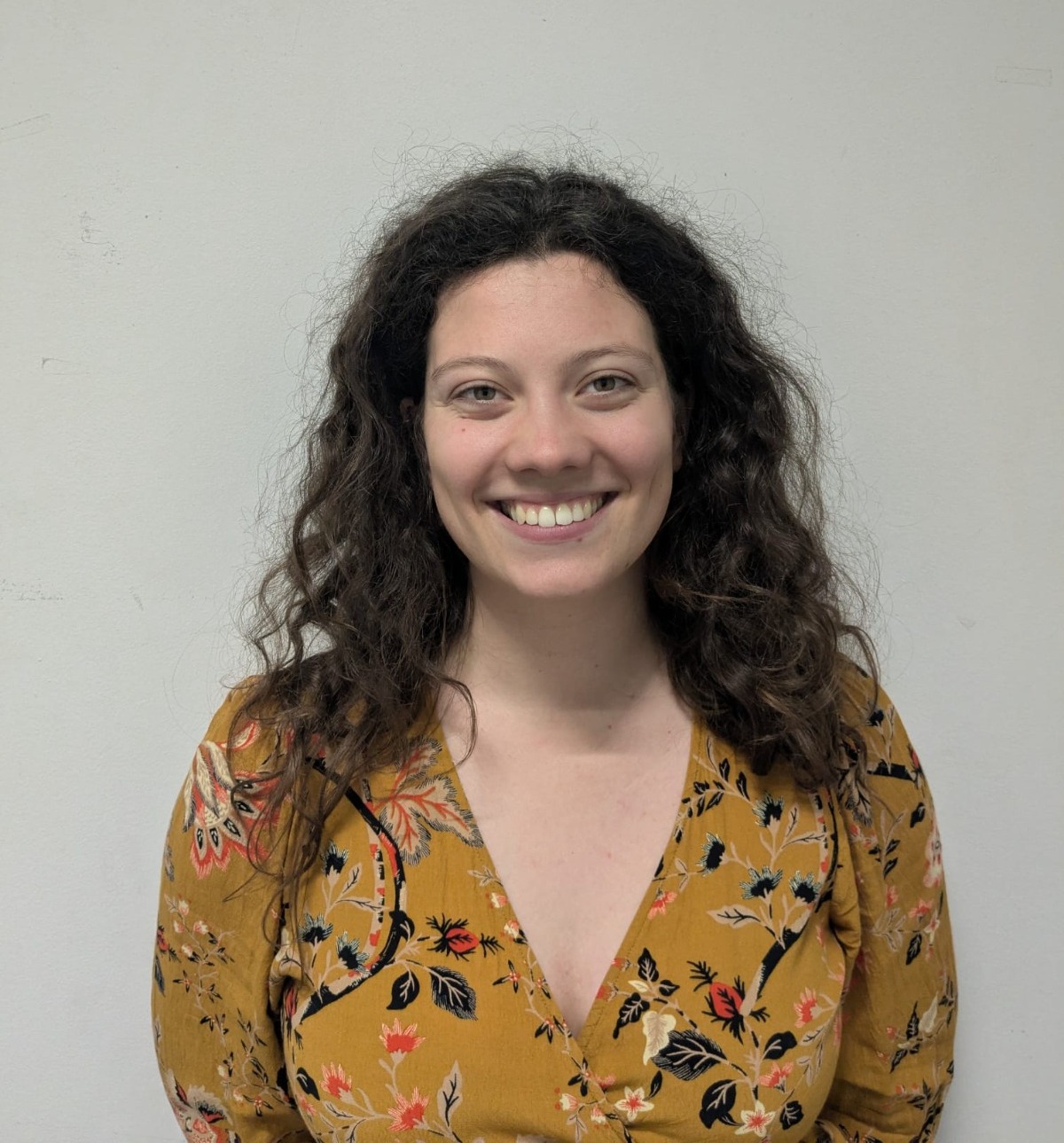
Charlotte
Entered M1 · 2024–2025
I started my higher education with a multidisciplinary bachelor’s degree at PSL University, called “Sciences for a Sustainable World”. This program gave me a great deal: among other things, it introduced me to the importance of interdisciplinarity and dialogue between fields, and it allowed me to take my first steps into the world of research through several internships. Most importantly, it led me to discover cognitive science, a discipline I had not encountered before. I loved it from day one!
I then decided to pursue studies combining environmental issues and cognitive science. Joining this ENS Master’s degree therefore felt like a natural step. So far, the program has given me exactly what I was looking for: an excellent academic education, solid foundations across all areas of cognitive science (even those I previously knew nothing about), and the opportunity to specialize in the topics that interest me most through courses I was able to select myself and research internships. My current research topic is about Environmental Psychology.
Joining this degree has also opened the door to other paths. Alongside the master’s program, I am completing a minor in Public Policy with an Environmental specialization, which allows me to better understand how the French administration works and how public policies are designed and implemented.
And don’t even get me started on the incredibly rich student life at ENS, from student associations to sports activities – I could talk about it for hours.
In short, the Cognitive Science Master’s program offers the perfect balance between high academic standards and the freedom to shape a path that truly fits one’s interests. I’m very much looking forward to continuing into the second year and discovering what comes next… hopefully a PhD!
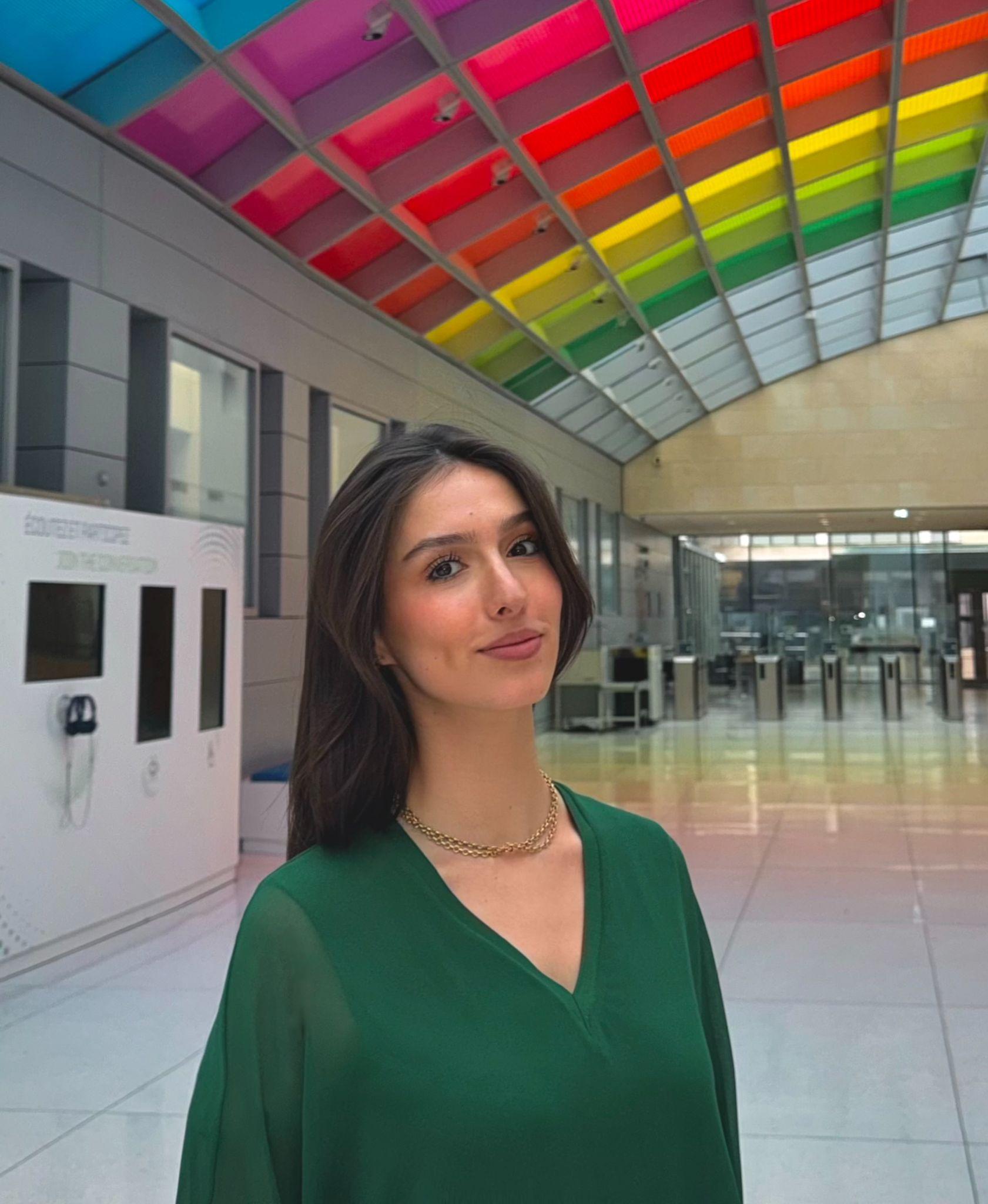
Lio
Entered M1 · 2023–2024
My long-term goal is to become a founder and help translate advances in our understanding of the mind into products with meaningful societal impact. The Master’s programme has been an exceptional place to build the intellectual foundations for that ambition.
Before joining the Master’s in Cognitive Science, I studied mathematics, economics and computer science at École Polytechnique and UC Berkeley. I conducted research in economics (behavioural economics and education economics) and worked at the Behavioural Insights Team, applying behavioural science methods to public policy challenges in France, the United Kingdom and Canada.
Learning about artificial intelligence convinced me that understanding cognition is not only an academic pursuit but also a practical necessity. Some of the most impactful innovations of the coming decades will emerge at the intersection of artificial and human intelligence. While AI was initially inspired by attempts to understand the human mind, it is increasingly becoming a tool for studying cognition itself. I find this dialogue between the two fields particularly fascinating.
This is what drew me to the Master’s in Cognitive Science. Few programmes bring together neuroscience, computer science, social sciences and philosophy with such depth. Interdisciplinarity is not limited to the diversity of courses offered, it is embedded in the way research is conducted: many professors work in interdisciplinary teams that examine the same questions through different lenses. Combined with the diverse backgrounds and intellectual curiosity of the students, this creates a remarkably stimulating environment where ideas are constantly challenged!
The Master’s programme also gives its students a remarkable degree of autonomy. This flexibility allowed me to spend a gap year pursuing another Master’s degree at Columbia University, where I taught Game Theory as a teaching assistant, deepened my understanding of economics and finance, and worked in venture capital. This year has been highly complementary to ENS, giving me firsthand exposure to the entrepreneurs and ideas shaping emerging technologies.
For someone interested in both research and entrepreneurship, the Master’s programme has been an exceptional place to grow. It has equipped me with both the intellectual framework to tackle some of the most important questions raised by AI (from the nature of human intelligence to the future of education and work) and the technical foundations needed to pursue ambitious ideas at the intersection of cognitive science and technology.
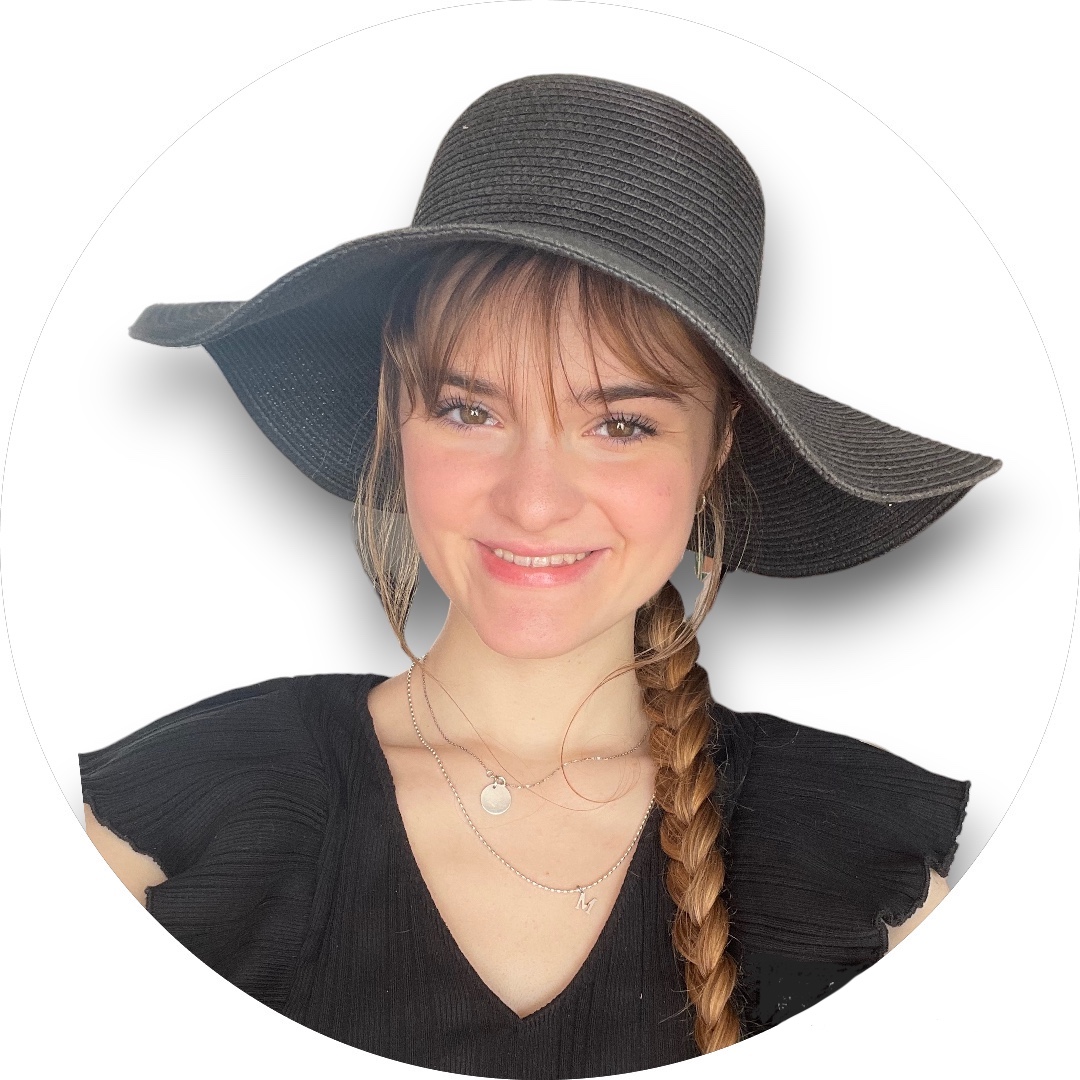
Mathilde
Entered M1 · 2024–2025
Having completed all my schooling in the provinces, far from Paris, I would describe my academic path as typically French. After obtaining my baccalauréat, I launched myself into three years of CPGE B/L (Literature and Social Sciences) in Cannes (Alpes-Maritimes, France), during which I developed a strong interest in philosophical reasoning and in the objects of study of sociology. Since the B/L preparatory class is a demanding literary program primarily aimed at preparing students for specific competitive examinations to enter the Grandes Écoles, I had neither the opportunity nor the time to undertake research internships - let alone scientific ones.
I had therefore always thought that, on paper, I did not have the right profile to enter a Master’s program in Cognitive Science - “too” literary, not empirical enough… Yet I was convinced that cognitive science was necessary for my intellectual development: to anchor my philosophical reasoning in scientific approaches and to move beyond the descriptive dimension of sociology in order to understand the very basis of social facts through cognitive mechanisms.
So I decided to try my luck - after all, why not? If you do nothing, nothing will happen!
And today, partly because cognitive science thrives on diverse backgrounds, here I am in the second year of the Cognitive Science Master’s program at ENS! After a first year in which I opened myself to disciplines that had been completely unfamiliar to me - with motivation, nothing is impossible! - such as cognitive neuroscience and cognitive modeling in order to broaden my landscape of knowledge, I refocused this year on the very reason I joined this program: social cognition, and in particular evolutionary psychology, a fascinating discipline still too little known in the French academic landscape but which, in my opinion, deserves far greater recognition. I was also fortunate to complete internships in ENS laboratories - first at LNC2 and then at the Institut Jean Nicod - on varied projects combining experimental psychology and social cognition, ranging from a project on collective emotions in theater to another on behavioral and motivational changes during menopause.
Beyond the new knowledge I have gained through this Master’s program, I would be very happy to leave with research skills and a solid understanding of good scientific research practices, since research truly lies at the heart of this training. This is also why, thanks to a flexible curriculum allowing me to complete my M2 over two years, I decided to begin a psychology bachelor’s degree this year in order to train in clinical practice, complement the purely research-oriented dimension, and better align my path with the person I am and wish to become. I am indeed considering, perhaps later on, a hybrid career combining research and clinical practice, while remaining open to other atypical professional opportunities.
Last but not least, for anyone who, like me, places great importance on the atmosphere of their place of study, you cannot go wrong by joining the ENS Cognitive Science Master’s program: researchers are truly attentive and available to offer guidance, but above all the program is filled with students who are wonderful people with whom you will build strong and lasting friendships! My experience in the Master’s program is also inseparable from my experience of student and associative life at ENS, which contributes very significantly to my personal fulfillment - whether as the head of a K-pop dance club where I teach choreographies in preparation for the frequent ENS performances, or as the head of émENSip’, an equal-opportunity association working in underserved territories.
In short, what the ENS Cognitive Science Master’s program represents to me is: respect for atypical profiles, intellectual enrichment, scientific rigor, and genuine enjoyment through a vibrant student life!
Rayan
Entered M1 · 2024–2025
Growing up in Beirut, Lebanon, I first arrived in Paris for my bachelor’s degree, as I studied philosophy with a minor in economics at PSL’s Cycle Pluridisciplinaire d’Études Supérieures (CPES), a multidisciplinary undergraduate program with an emphasis on research. I quickly discovered a growing interest for philosophy of mind and language, driven by a desire to better understand human cognitive capacities – mainly memory, imagination, mental time travel, and their relationship to language – both at the conceptual and biological levels. While studying philosophy, I realized I did not want to confine myself to a single disciplinary toolbox: I wanted to deepen my philosophical knowledge, certainly, but I also wanted to become more familiar with linguistics and computational tools, while simultaneously training as a neuroscientist and experimental researcher. This is precisely the goal that feels closer every day since joining the Cognitive Science Master’s program at ENS.
It is largely thanks to the countless discussions I have had during and after class with professors whose patience is both remarkable and deeply appreciated, but also – and perhaps just as importantly! – to the endless conversations I have shared with the friends I have met here, both within and beyond the department.
Since joining the program, I have become increasingly interested in understanding how fundamental research in cognitive neuroscience and philosophy of cognitive science can fit into societal debates – an interest that emerged largely through the M1 course Neurons, networks, and behavior. I have since been able to explore my interests by following several classes such as Self and consciousness, Psychological capacities, and Art and cognition, which have provided me with a rigorous overview of several ongoing debates within cognitive science and related fields.
As I am also enrolled in the Diplôme de l’ENS (DENS), I have additionally followed courses in philosophy, arts, and journalism, among other disciplines. These experiences have allowed me to broaden the perspective through which memory, imagination, time, and the self – my main research interests – can be approached, while also reflecting on how knowledge in cognitive science can be communicated to non-specialists and contribute to public discussions on topics that matter deeply to me, such as empathy, identity, and the role of fiction in shaping cognition.
Beyond the classroom, I have also had the opportunity to put these questions into practice by teaching a Sciences within society module to high-school students during my first year at ENS, through the TALENS association. I was given total academic freedom to elaborate a year-long curriculum, exploring how scientific knowledge can inform concrete societal issues among which depression and mental health, and debates surrounding transhumanism.
Another aspect of the program that I would particularly like to highlight is its flexibility: there are as many different projects and trajectories in the master’s as there are students. During my second year, I was able to spread my coursework in order to conduct my first independent research project, in which I am investigating the role of endogenous signals, abstractions, and imagination, in structuring human temporal cognitive maps and shaping memory. Looking ahead, I hope to further explore the relationships between endogenous signals, cognitive maps, and representations of the self – hopefully during a PhD!
Finally, and perhaps most importantly, I wanted to highlight that, since joining the program, I have built friendships that I deeply cherish and created memories that I will carry with me for years to come. Whether through student events, academic seminars, ski trips, campus parties, dance performances, or by joining student clubs such as the ENS pompom and cheerleading club (a passion that has now become an integral part of my daily life!), I have been provided with an environment that allows me to learn, deepen my knowledge, broaden my horizons, meet remarkable people, and grow both intellectually and personally.
Romain
Entered M1 · 2025–2026
A member of the French military, former student at École polytechnique, I joined the Cognitive Science Master’s program at ENS-PSL as a professional specialization. I was drawn to this program by its strong multidisciplinary approach, which perfectly aligns with my learning objectives, as well as by the excellence of its courses and its practical, internship-oriented teaching design.
The first year of the Master’s program provided me with everything I was looking for: broad insights and regular connections across the six pillars of cognitive science, an initial opportunity to dive deeper into my main topics of interest, and a laboratory internship to become acquainted with the research environment.
I particularly appreciated the emphasis placed in every course on critical thinking and the evaluation of research methodologies and results. I feel that I have been thoroughly trained in the methods required to conduct rigorous scientific work.
The teachers and researchers are very welcoming and available for discussion, explanations, or even advice regarding academic pathways. The Department for Cognitive Studies at ENS feels like both a family and a home. Fellow students come from all over the world and have a wide variety of academic backgrounds, which make exchanges especially enriching: you will always find someone who shares your interests or who can help you see the bigger picture by offering a new and insightful perspective.